
Engraved in Wilmington, DE
Precision laser engraving and marking on metals. Permanent serial numbers, barcodes, logos, and designs on stainless steel, aluminum, brass, titanium, and coated metals. Serving industrial and personal clients.
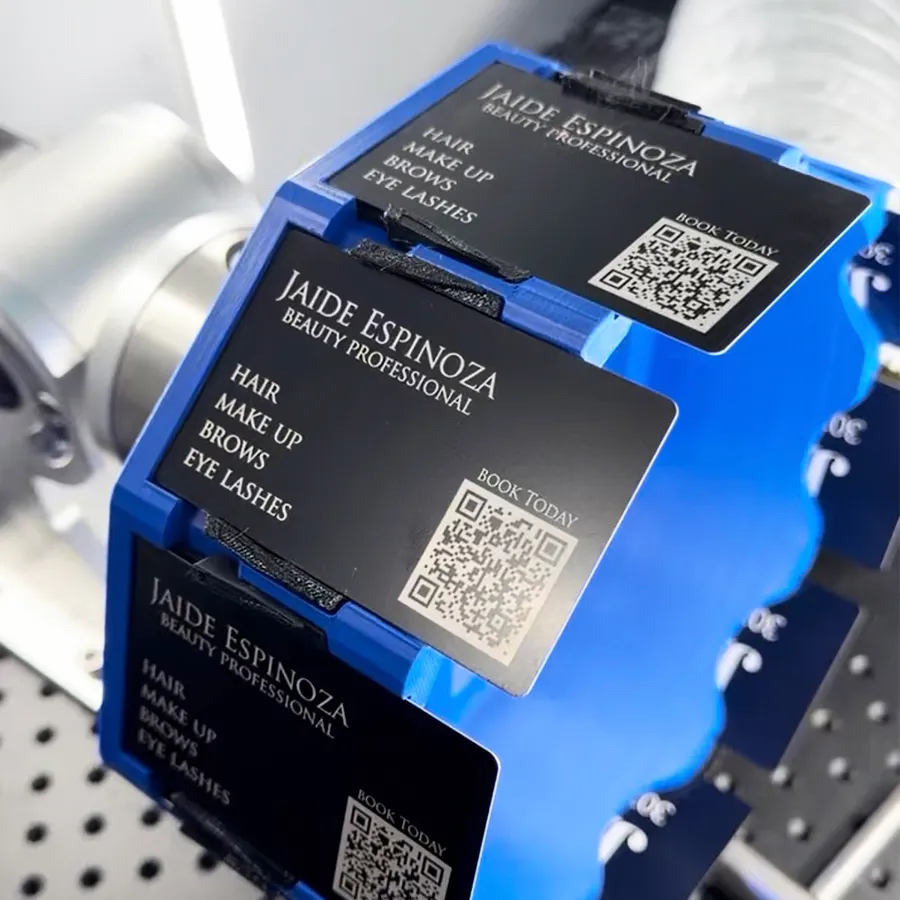
Brass, stainless, anodized aluminum and coated steel, marked permanently on the fiber laser.
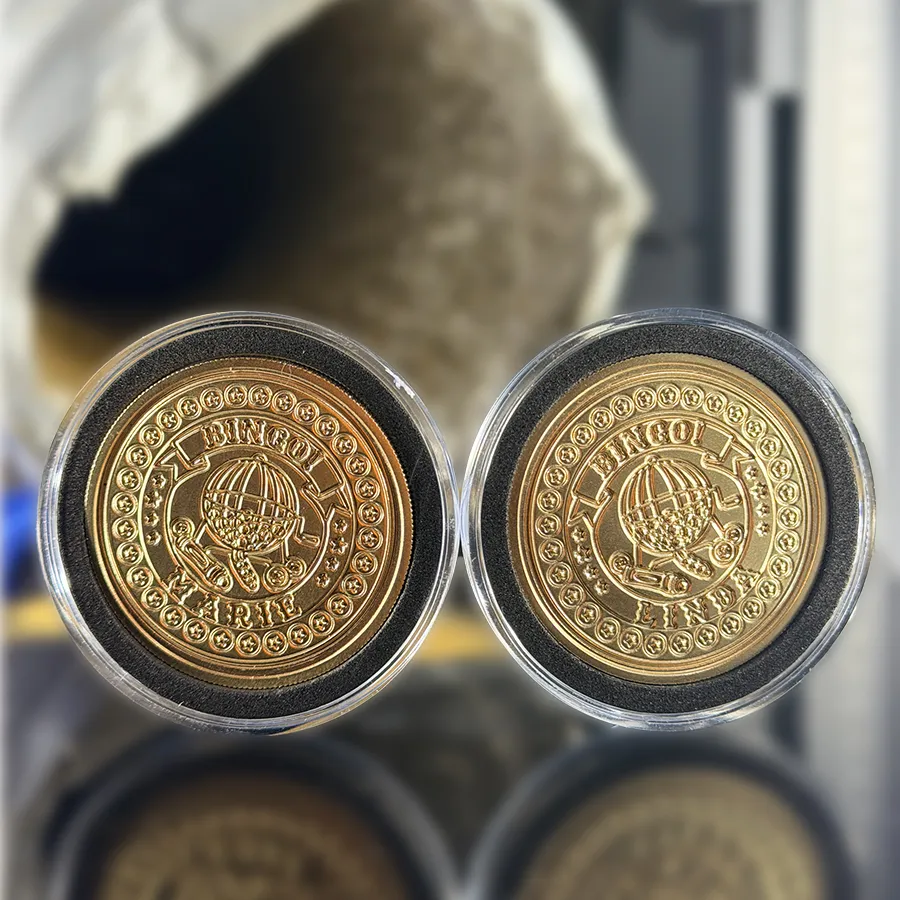
Custom Brass Challenge Coins
Commemorative brass challenge coins for organizations and events
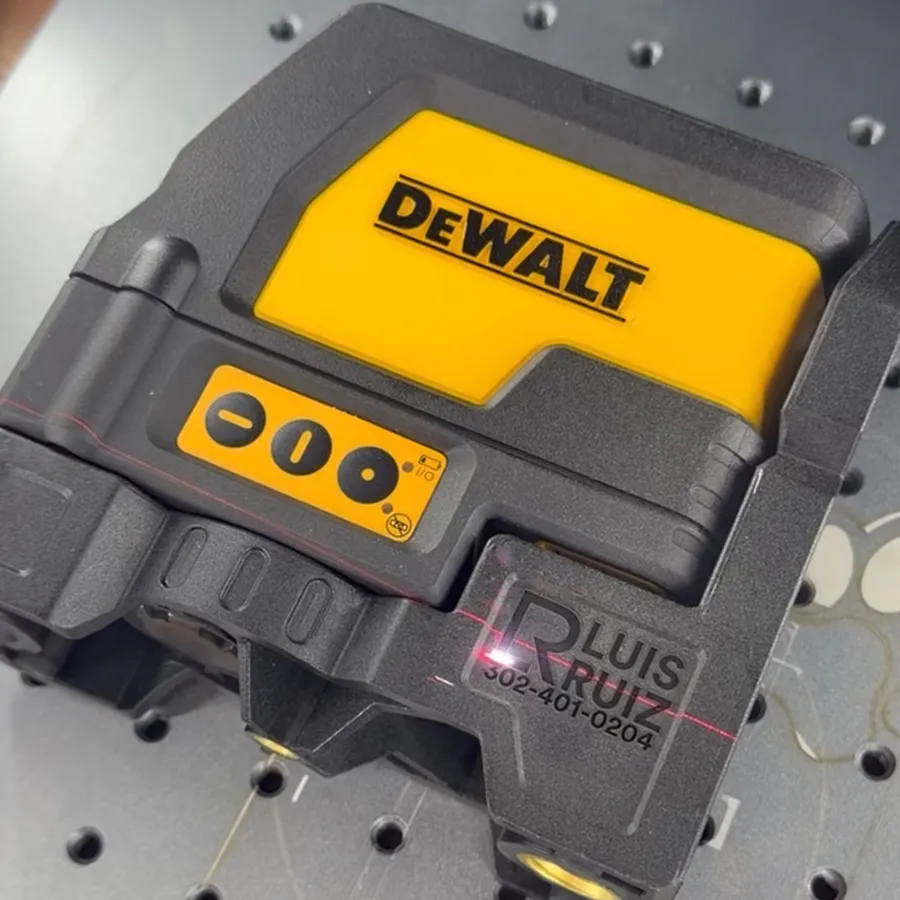
Engraved Tools
Custom logo engraved tools for businesses and tradespeople
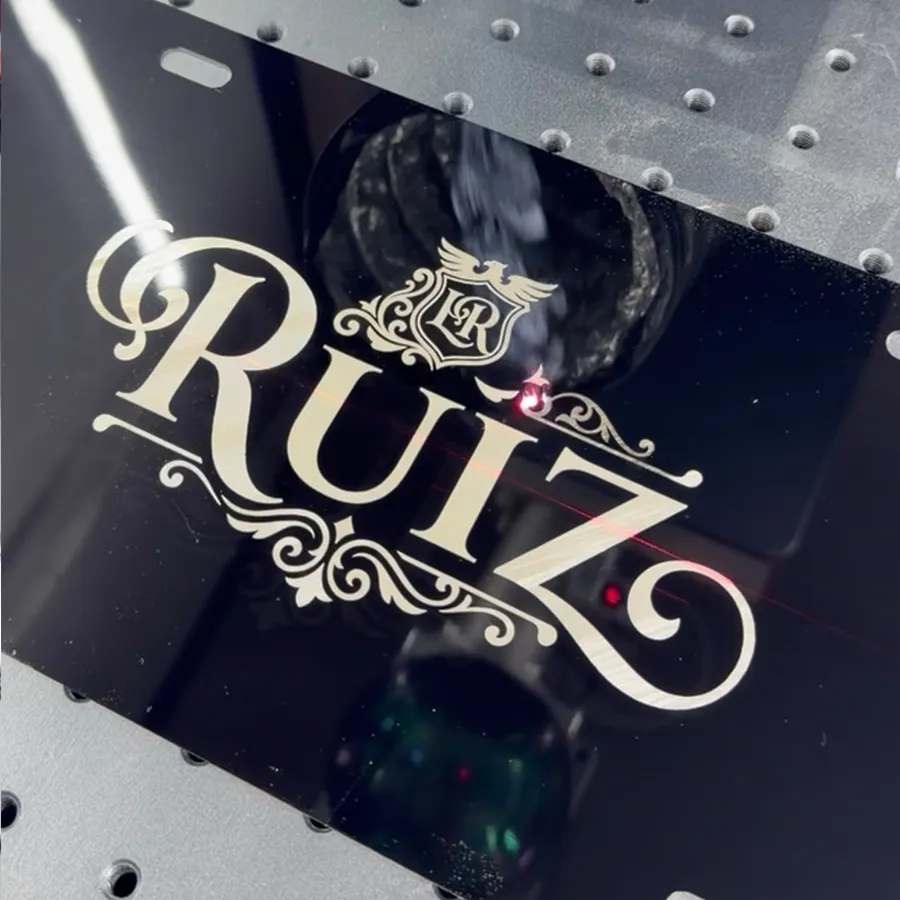
Decorative License Plates
Custom engraved decorative license plates with ornate designs
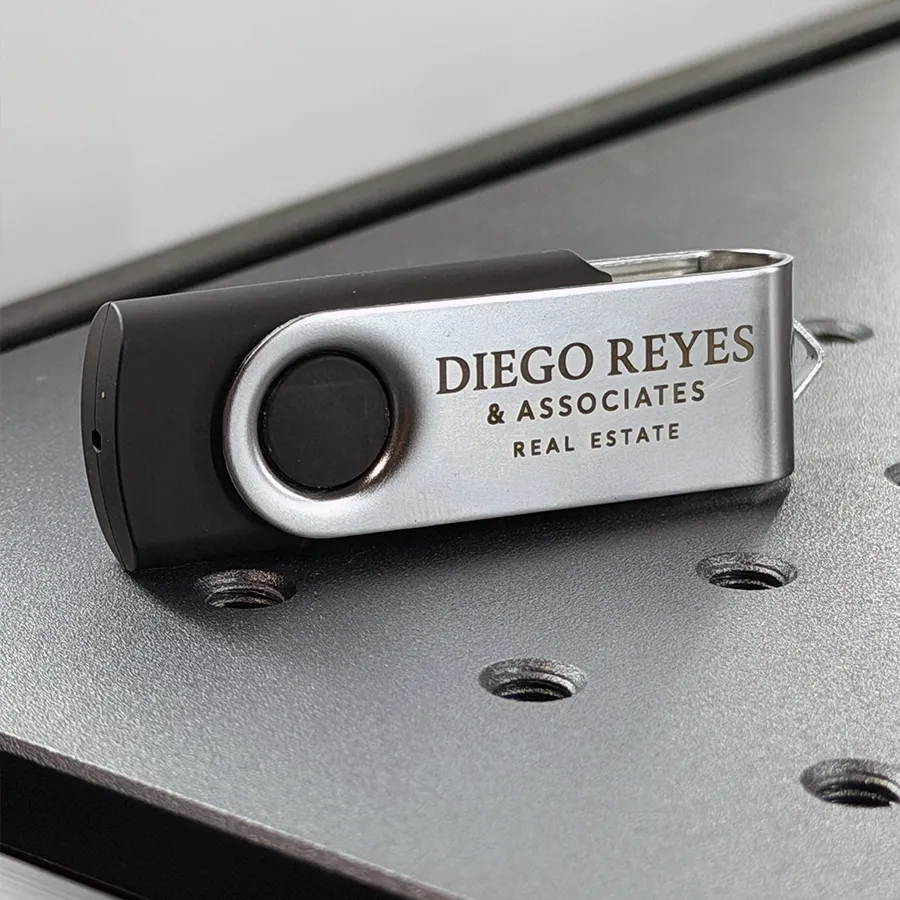
Custom USB Drives
Personalized laser engraved USB drives for corporate gifts
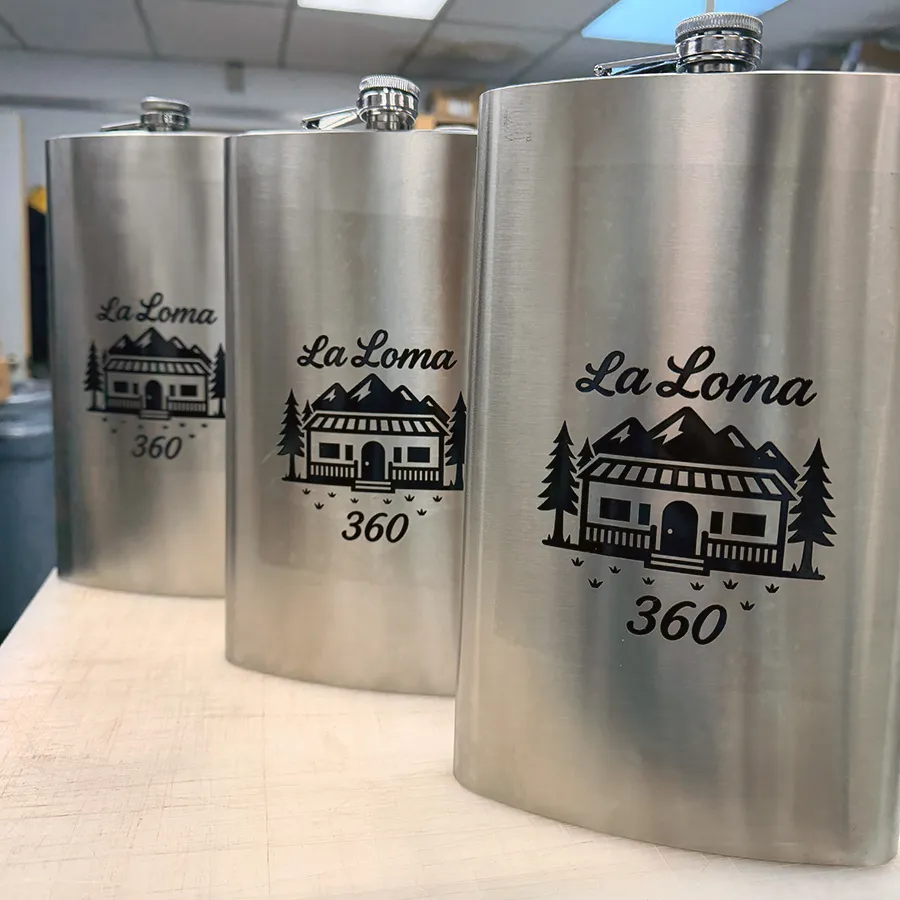
Engraved Stainless Steel Flasks
Custom personalized stainless steel hip flasks for groomsmen and gifts
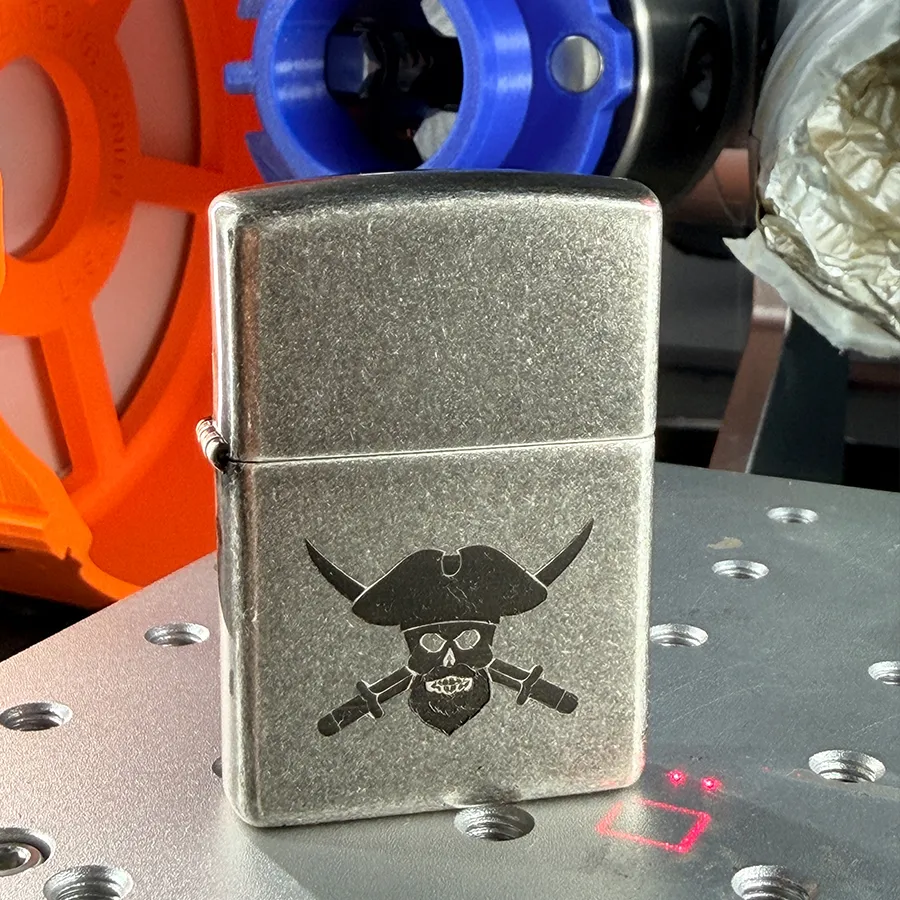
Engraved Zippo Lighters
Custom laser engraved Zippo lighters with personalized designs
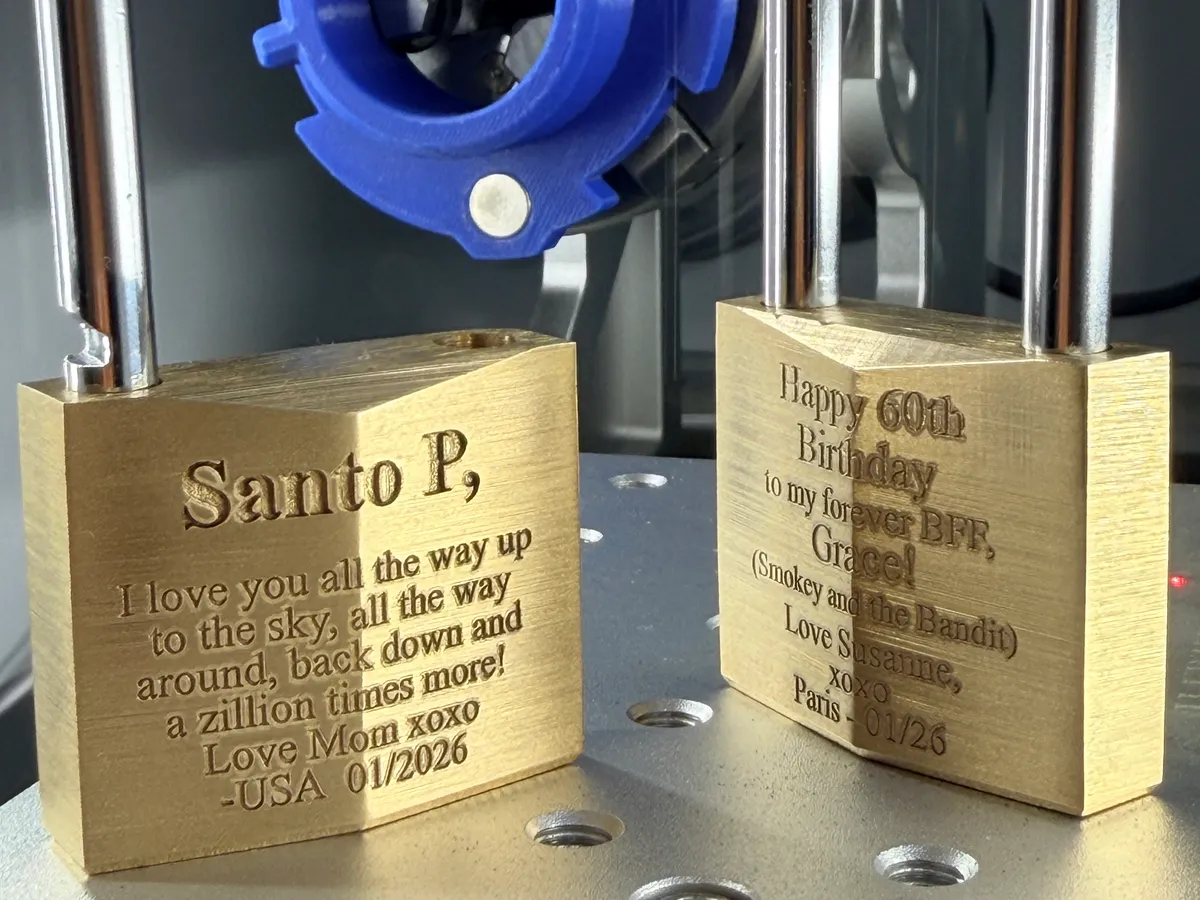
Engraved Brass Keepsakes
Personalized solid brass keepsake blocks engraved with heartfelt messages
Engraved Metal Business Cards
Professional laser engraved metal business cards for luxury branding
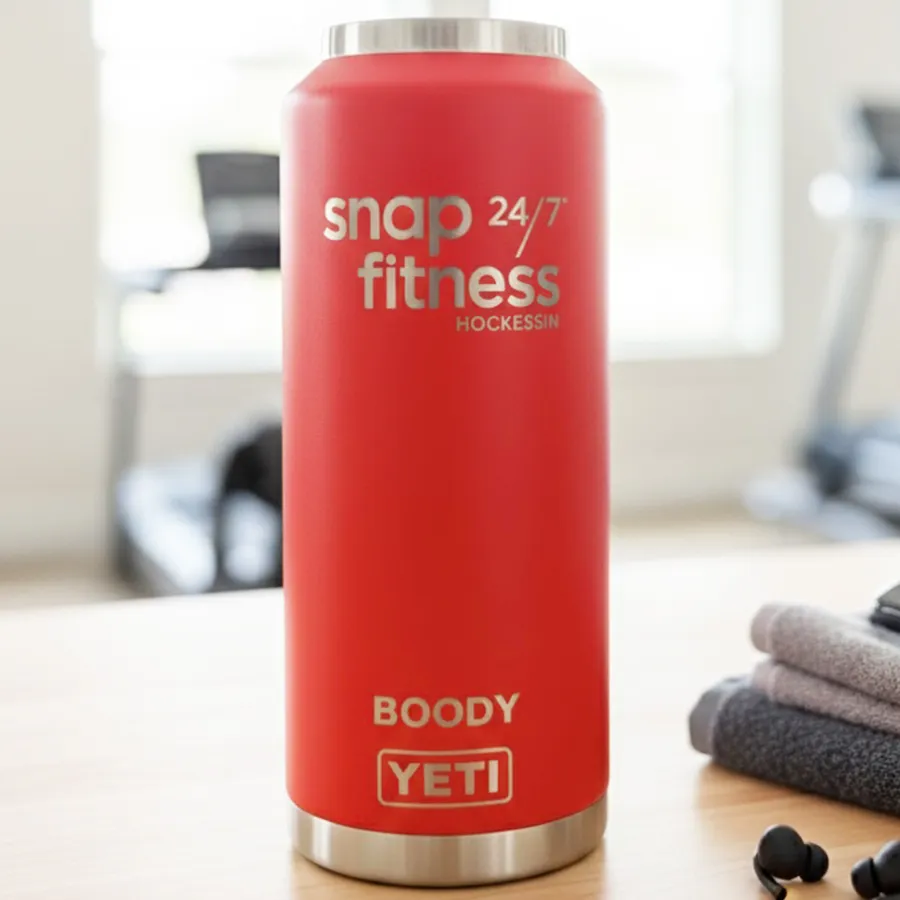
Branded YETI Bottles
Company logo up top, the recipient's own name below, on one bottle
Metal laser engraving requires specialized equipment and expertise. At Victory Laser Engraving, our fiber laser systems are purpose-built for marking metals with high contrast and permanence. Whether you need industrial part marking for traceability or personalized metal gifts like engraved flasks and tumblers, we deliver professional results.
We mark on stainless steel, aluminum, brass, copper, titanium, carbon steel, and coated or anodized metals. Our processes include annealing (for dark marks on stainless), etching (for depth), and ablation (for coated metals). Each method is selected based on your material and application requirements.
Industrial precision for critical applications.
Mark appearance and durability depend on the metal, coating and intended use. Share exposure or wear requirements so we can review a suitable method and sample before production.
Our fiber lasers produce dark, high-contrast marks on stainless steel, bright marks on anodized aluminum, and crisp engraving on brass and copper.
Send any required marking specification and acceptance criteria with your inquiry. We review the material, finish and sample requirements before accepting the work; certification or compliance is never assumed.
Unlike chemical etching or ink marking, laser marking requires no inks, acids, or solvents. It's clean, environmentally friendly, and cost-effective.
We can import serial number lists, date codes, and batch numbers to mark each part with unique, sequential data. Ideal for traceability programs.
Beyond industrial work, we engrave jewelry, flasks, tumblers, watches, and personal metal items. Bring your item or choose from our selection.
Precision marking on metal surfaces.
We identify the metal type, coating, and surface finish. This determines the laser settings and marking method (annealing, etching, or ablation).
Your artwork or data is prepared and positioned. For rotary items (tumblers, flasks), the fixture is calibrated to the item's diameter.
The fiber laser marks the metal with precision. For industrial parts, process parameters are documented for quality assurance.
Each mark is inspected for contrast, depth, and readability. Parts are cleaned, packaged, and shipped with documentation.
Annealing versus etching, curved parts, and the files we need.
We mark stainless steel, aluminum, brass, copper, titanium, carbon steel, tool steel, and most coated or anodized metals. Our fiber laser runs at 1064 nm, the wavelength bare metals absorb, which is what makes a permanent mark possible without any coating or spray. Copper and brass are reflective and need more care in setup, but they finish superbly.
Annealing heats the metal to create a dark oxide mark without removing any material, so the surface stays sealed and keeps its corrosion resistance. Etching removes metal to create real depth, which you can feel with a fingertip. Choose annealing for stainless steel that has to stay hygienic or weatherproof, and etching where the mark needs to be tactile or survive abrasion.
Yes. A rotary fixture turns the piece in sync with the laser so the beam stays in focus right across the curve. That is how we mark tumblers, flasks, pipes, tubes and cylindrical parts, and how a design can wrap the whole way round a cup rather than sitting on one flat panel.
Vector files give the sharpest result for logos and graphics: AI, EPS, SVG or DXF. For serial numbers, batch codes and other variable data, send a CSV or Excel file and the laser will work through the list. High-resolution PNG or TIFF at 300 DPI or better handles photo-style marking on coated metals.
Every material below is engraved in-house in Wilmington. Pick one to see what it looks like and what it costs.
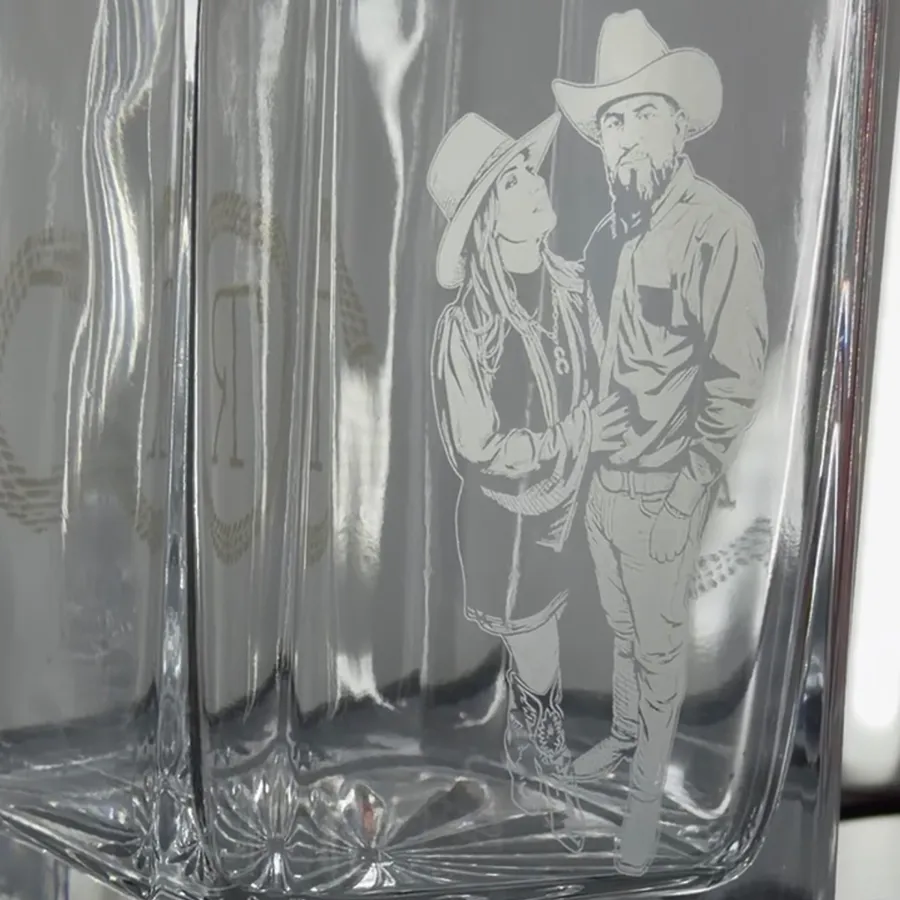
Glass
Decanters, flutes, bottles and mugs, frosted or photo-engraved.
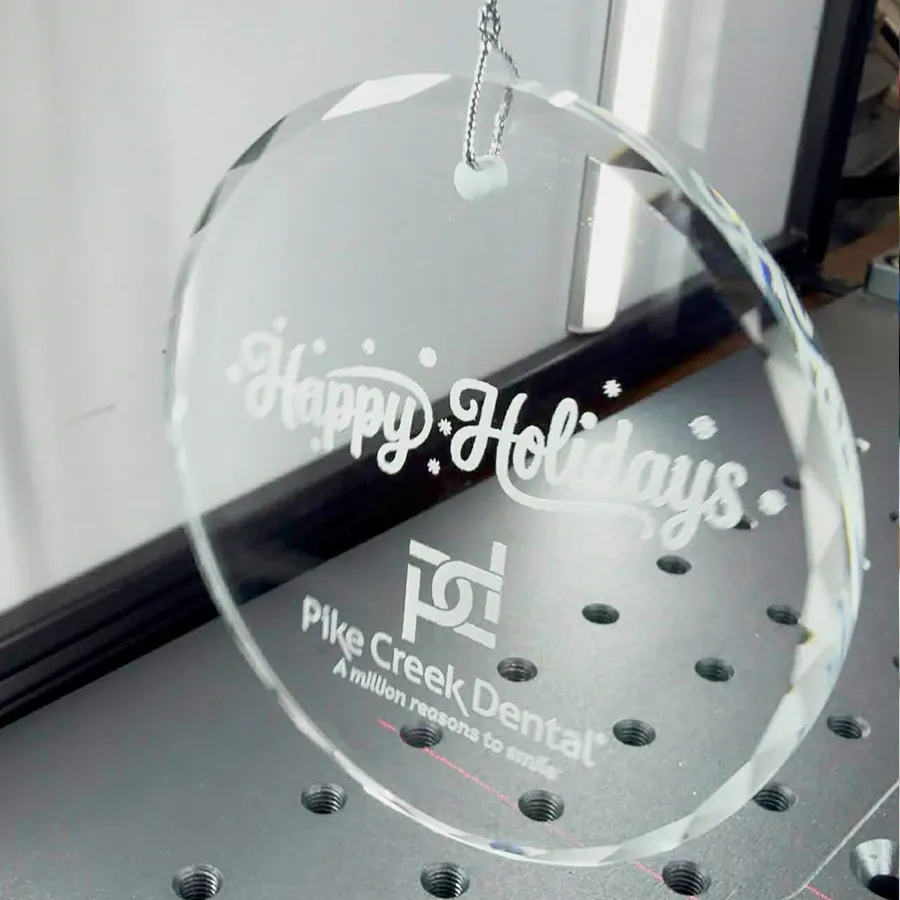
Crystal
Ornaments, awards and keepsakes engraved inside the bevel.
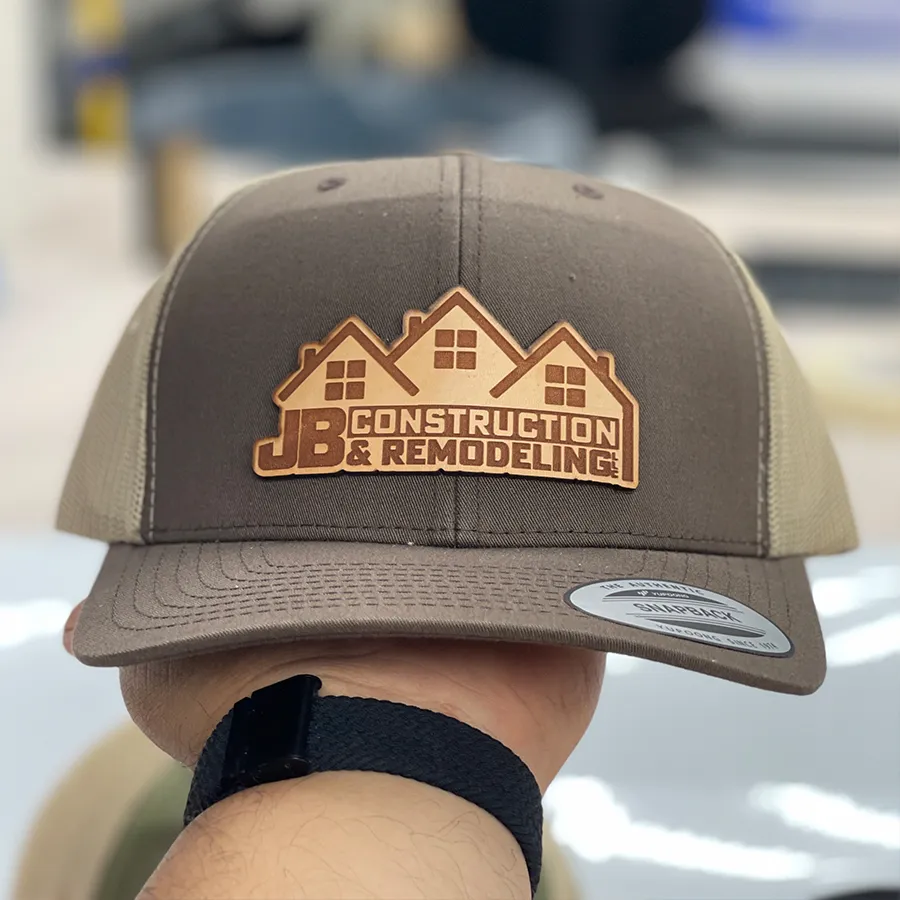
Leather
Hat patches, wallets and bottle openers burned to a clean edge.
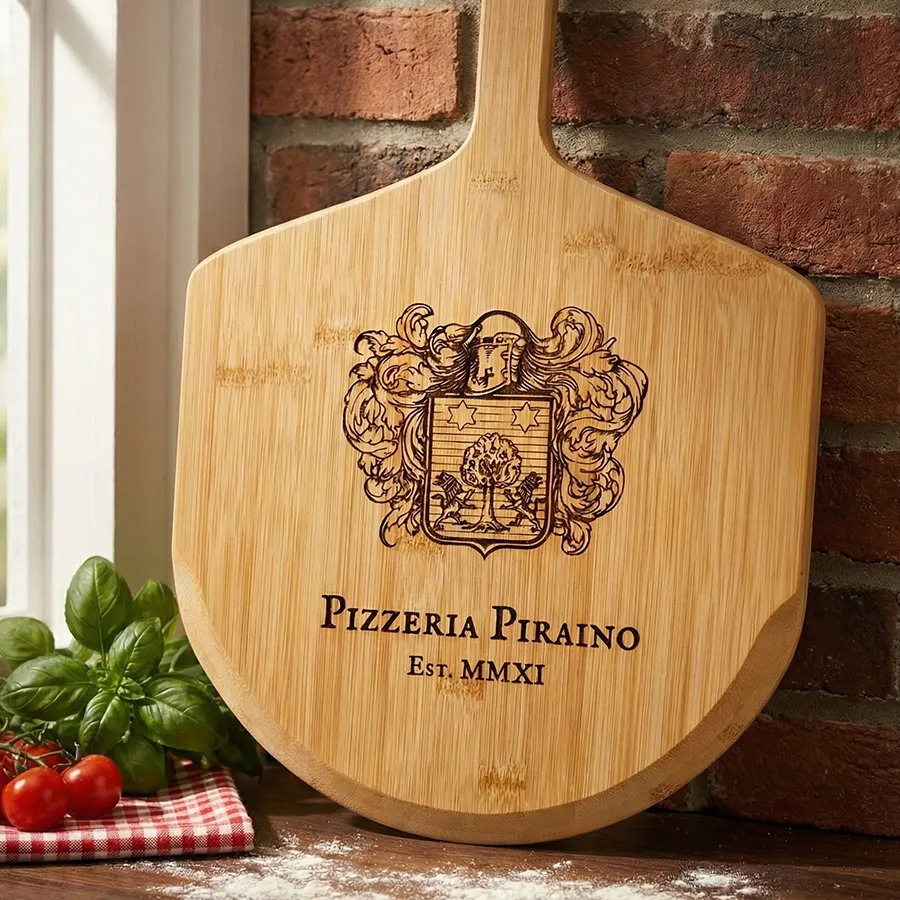
Wood
Cutting boards, plaques and signage in hardwood.
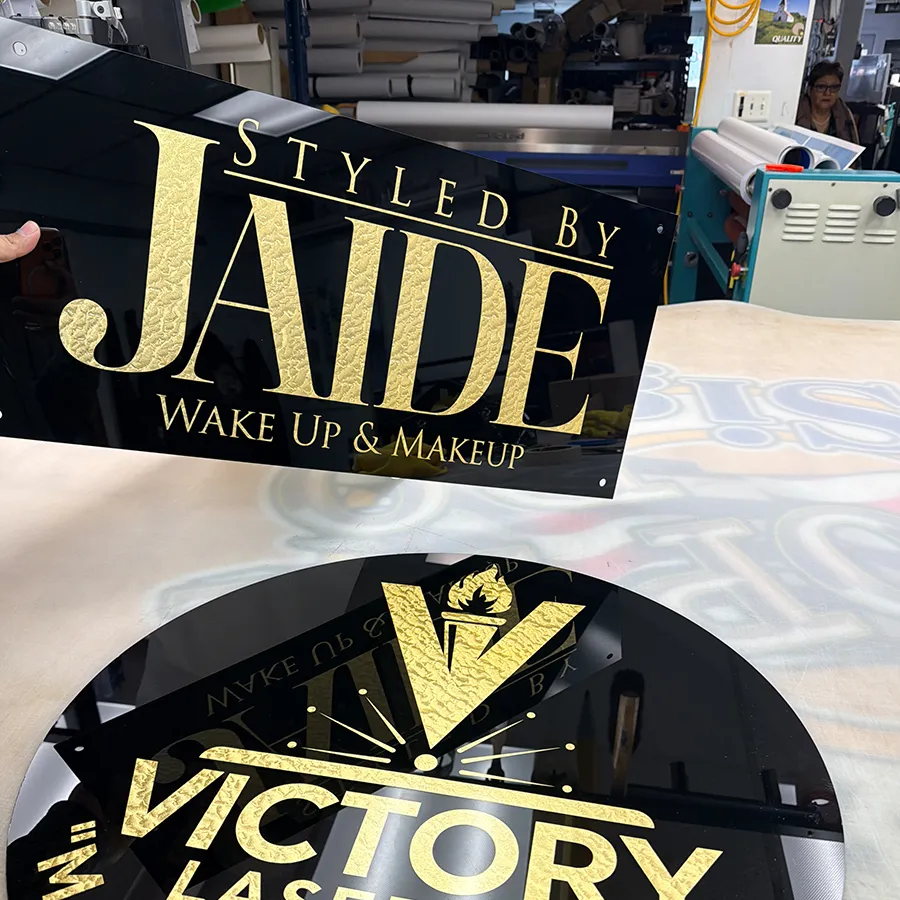
Acrylic
Signs, awards and displays in clear, colored and mirrored sheet.
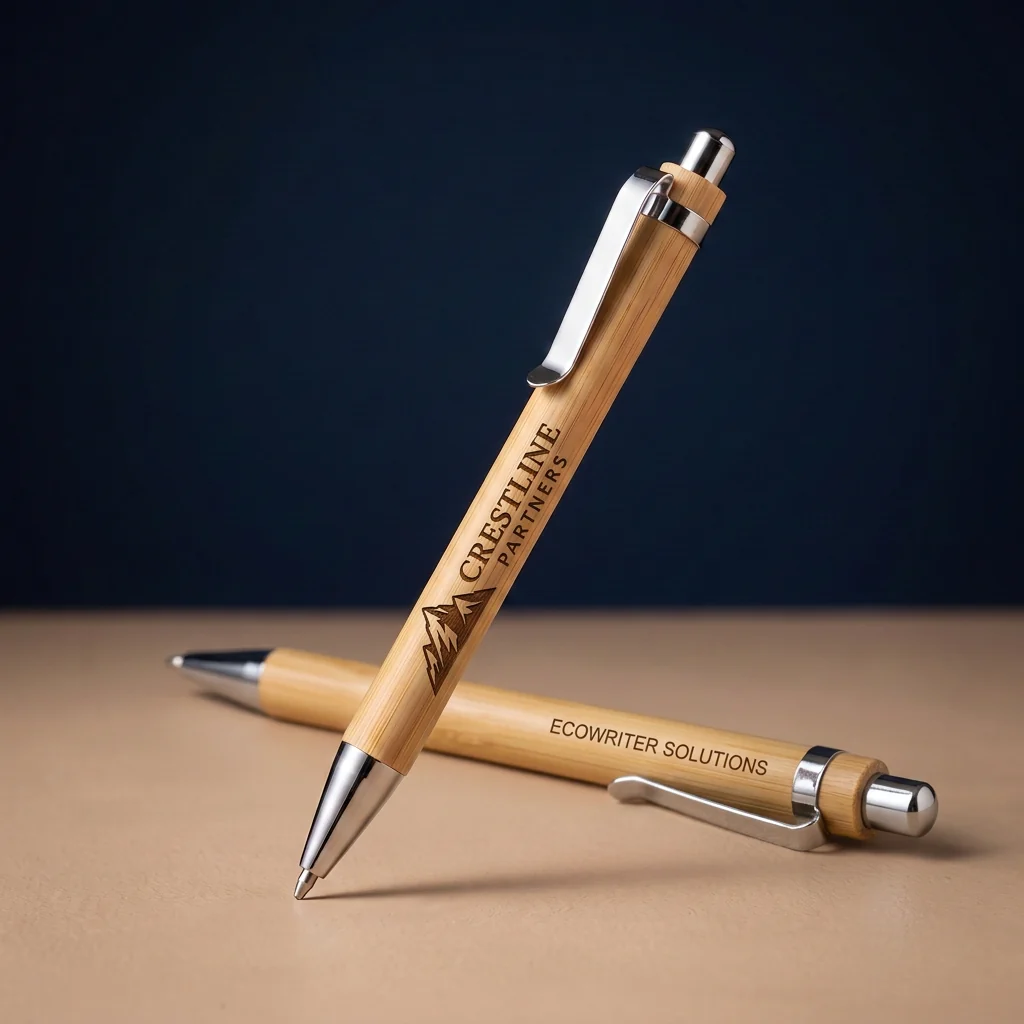
Bamboo
Pens, boards and desk pieces engraved to a deep contrast.
Get a quote for metal engraving or marking services.
See our tool identification example and industrial engraving services. Send the material, finish, marking area, exact data and intended use so we can review suitability and any sample requirements.